IoT Devices
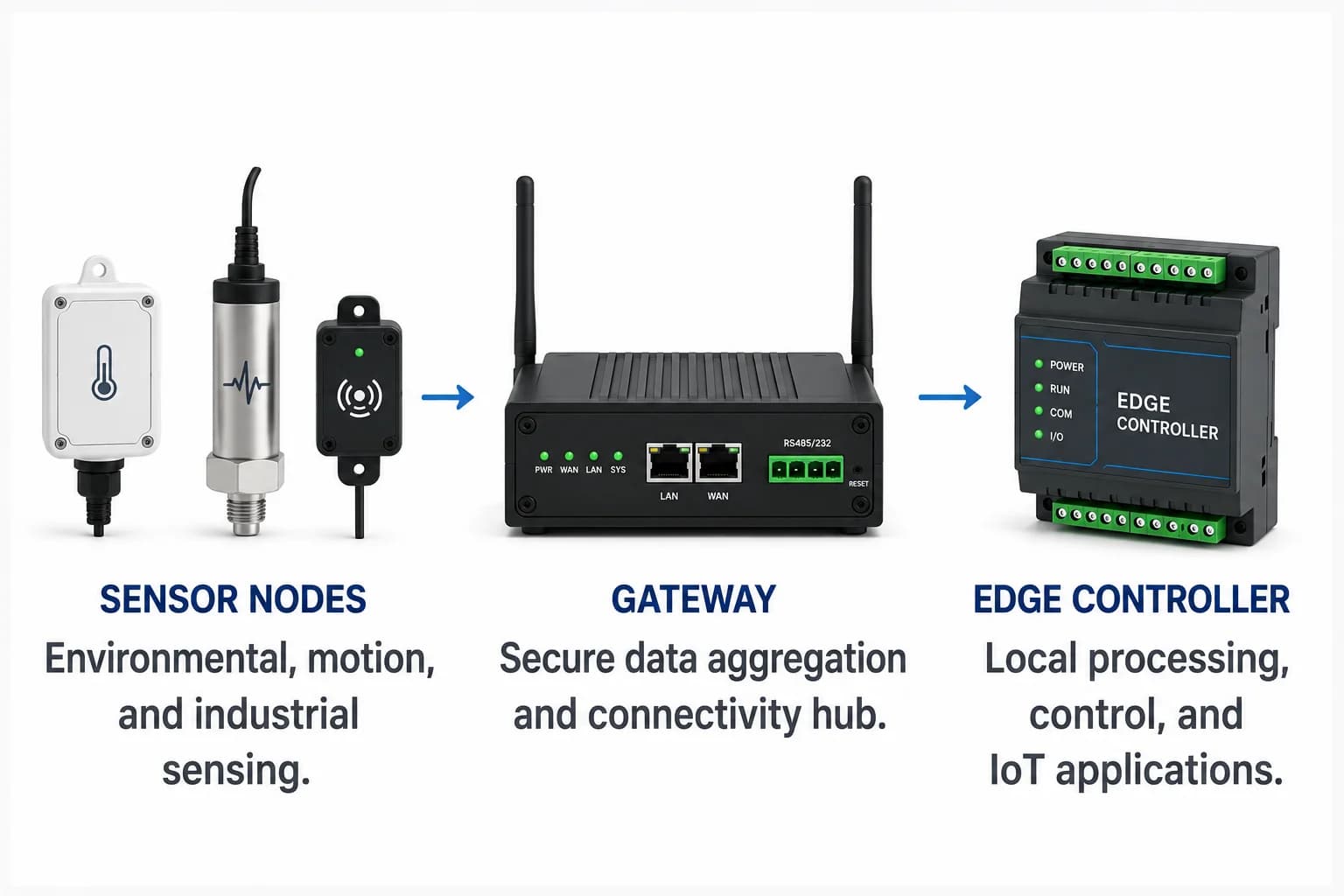
Sensor nodes, gateways, and edge controllers with wireless and wired connectivity.
Engineering · Electrical
SDI designs robust electrical architectures for connected products — power delivery, signal integrity, motor control, and compliance paths engineered for real-world manufacturing.
Our Silicon Valley team synchronizes schematic design, PCB layout, firmware interfaces, and factory test with mechanical and software disciplines so your product ships without late-stage electrical rework.
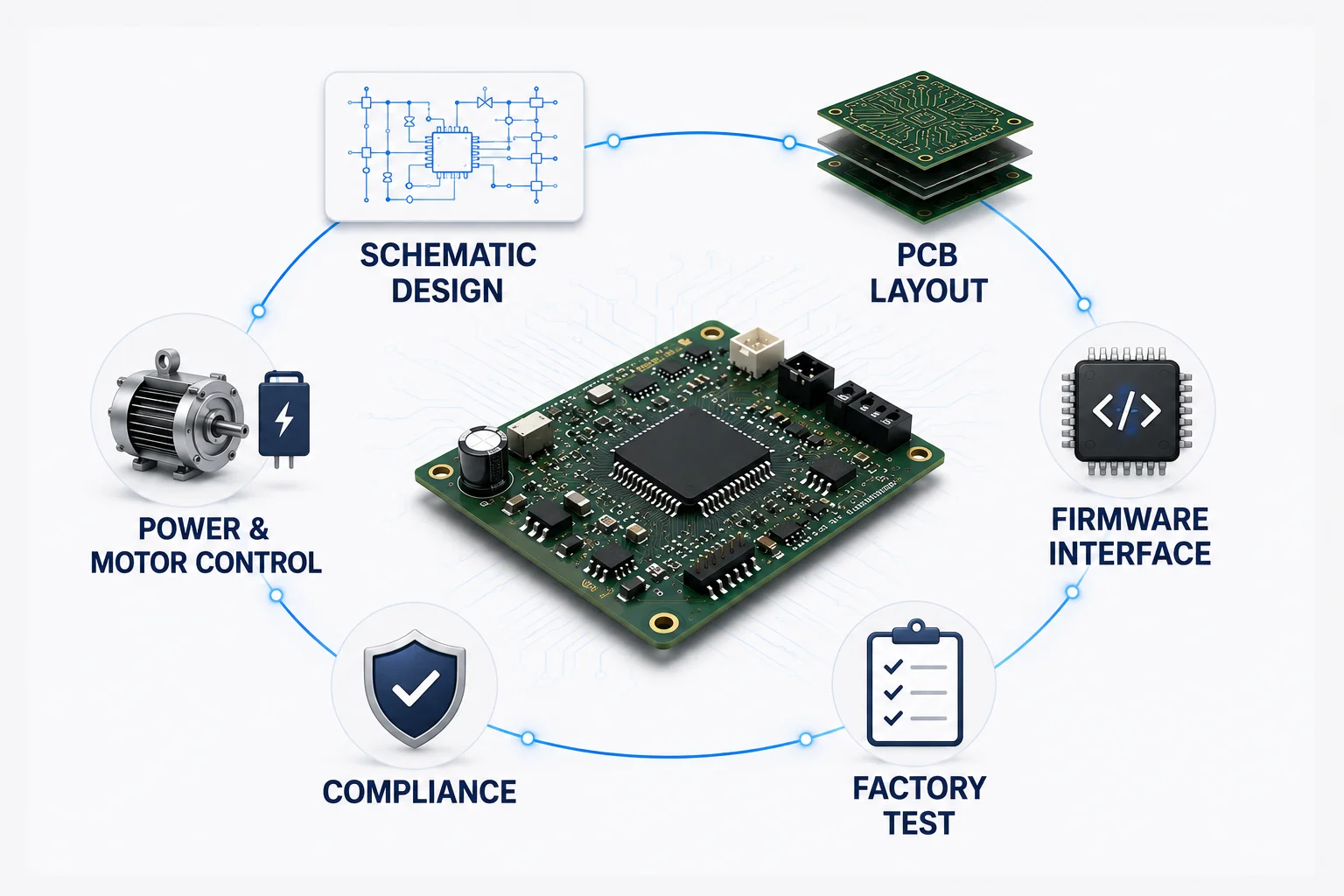
Electrical engineering is not an isolated schematic exercise — every rail, connector, and protection circuit must align with mechanical envelope, thermal budget, firmware boot sequence, and factory test fixtures.
SDI coordinates electrical design with cross-functional gates: architecture reviews with firmware, stack-up checks with mechanical, and DFM sessions with manufacturing before tooling is committed.
Disciplines spanning power, signals, compliance, and certification-ready documentation.
Efficient rails, battery systems, PMIC selection, and thermal-aware power budgets.
High-speed routing, impedance control, and SI/PI analysis for reliable data paths.
BLDC, stepper, and servo drive circuits with protection and feedback loops.
Emissions prep, ESD/EFT immunity planning, and pre-certification test support.
Charging, BMS integration, fuel gauging, and safety interlocks.
UL, FCC, CE documentation packages and test coordination.
Electrical platforms for connected, robotic, and industrial product categories.
Sensor nodes, gateways, and edge controllers with wireless and wired connectivity.
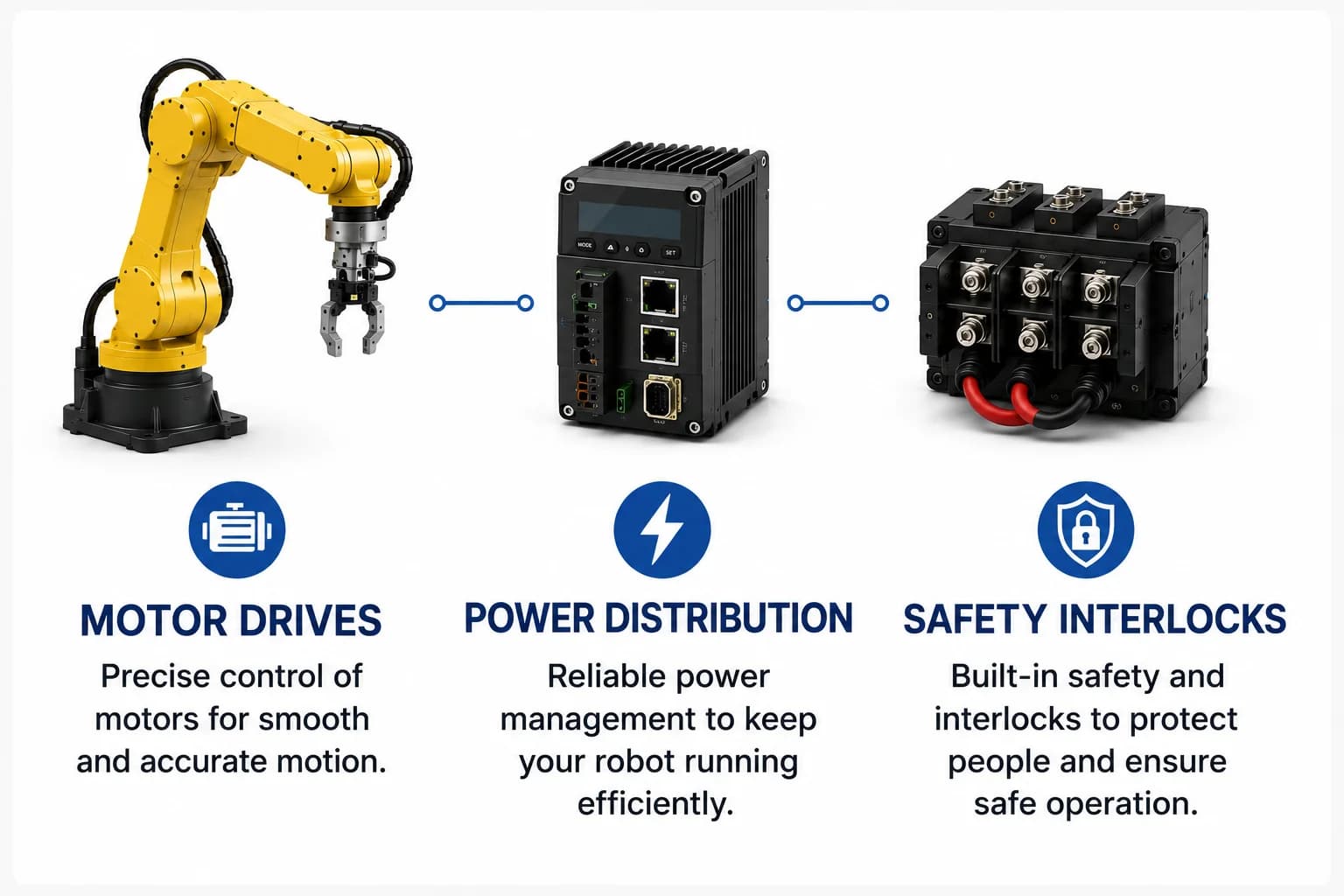
Motor drives, power distribution, and safety interlocks for autonomous systems.

Machine control, monitoring, and harsh-environment electrical architectures.

Patient-safe power, isolation, and compliance-aware signal chains.
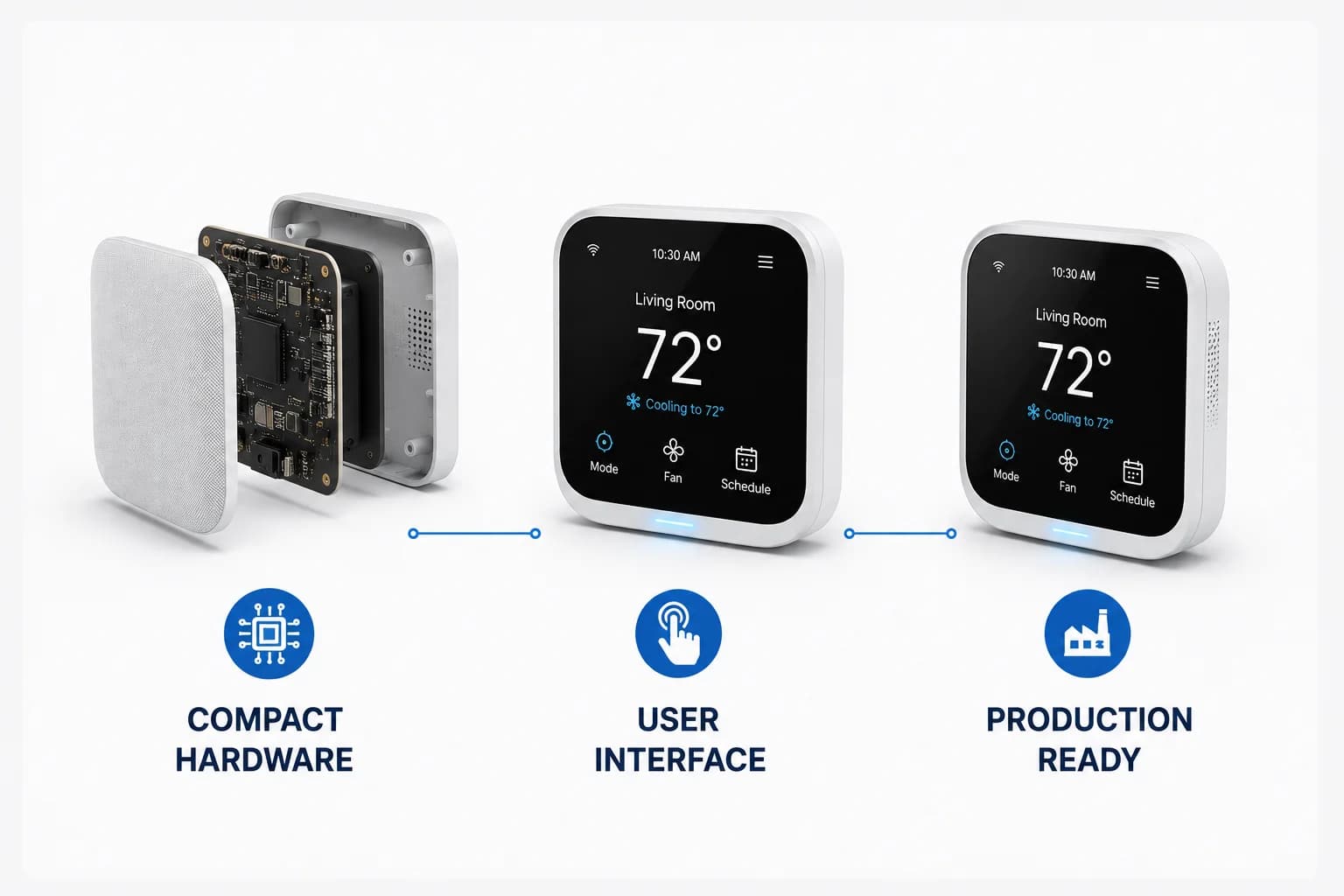
Compact, cost-optimized designs with reliable user-facing interfaces.

Power electronics, sensing, and connectivity for mobile platforms.
Electrical optimization gates applied before factory release.
Every electrical release passes manufacturing checkpoints — simplifying assembly, validating BOM economics, and ensuring test coverage on the production line.
Cross-team delivery spanning electrical, firmware, software, and manufacturing.
Block diagrams, power trees, and interface specifications.
Boot sequences, driver bring-up, and communication stacks aligned to hardware.
Mobile, web, and cloud releases coordinated with hardware milestones.
DFM-reviewed releases with factory test and vendor support.
Senior electrical architects in California drive design reviews and program direction.
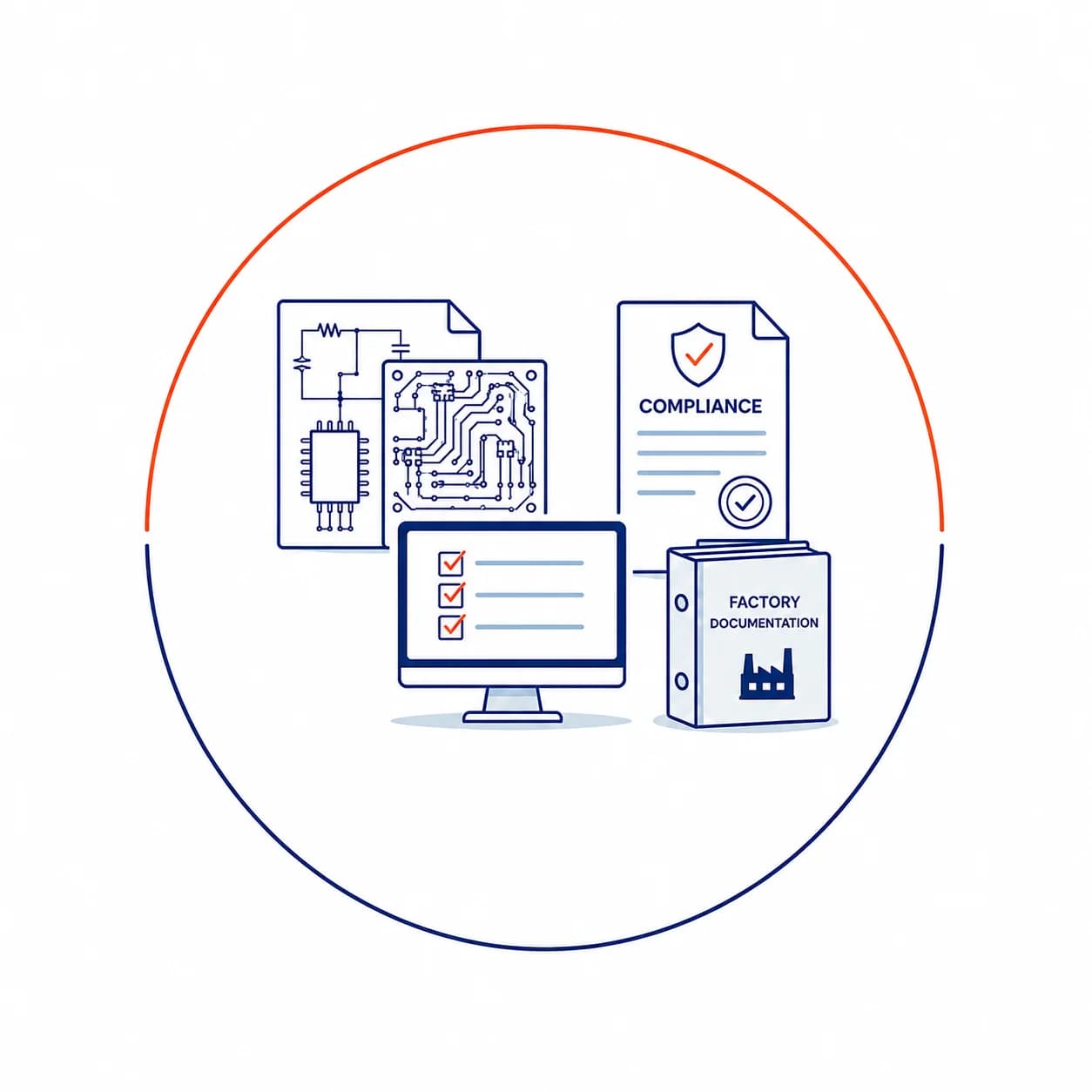
Schematics and layouts released with compliance and factory documentation.

Manufacturing partners across Asia with domestic options for pilot builds.
Electrical, mechanical, firmware, and software under one program.
Share your architecture, reference design, or product requirements. Our electrical team will scope power, compliance, and manufacturing readiness as one program.
Request Free EstimateCommon questions about electrical engineering scope, compliance, timelines, and manufacturing handoff.
Architecture, schematic capture, power design, motor control, EMC planning, compliance support, and factory-ready documentation.
Yes. Electrical programs include schematic and layout coordination, or we integrate with your existing layout team.
We prepare documentation, pre-test designs, and coordinate with certified labs for emissions and safety testing.
We define power trees, efficiency targets, thermal limits, and battery/charging architectures before detailed schematic work.
Yes. Pin mux, boot sequence, and driver requirements are defined jointly with embedded engineering.
IoT, robotics, industrial, medical, consumer, and mobility platforms among others.
Architecture through first-spin layout typically runs 6–12 weeks depending on complexity and compliance scope.
Yes. Component selection includes lifecycle analysis, second sources, and cost tracking against target unit economics.
We audit schematics and layouts for reliability, EMC, cost, and manufacturability then re-engineer as needed.
Submit your requirements through our contact form with timeline, volume targets, and any reference designs.